
Papadimitraki et al. (DTU Aqua) recently published a new exciting article. The traditional way to study the diet and feeding ecology of fish is to perform dissections and investigate their gut contents. However, analyzing the chemical compositions of fatty acids and stable isotopes in their tissues enables scientists to get more information they otherwise couldn’t get from simple gut content analysis. More specifically, are fatty acids used to determine the food selection of a species, while stable isotopes are used to determine a species’ trophic level.
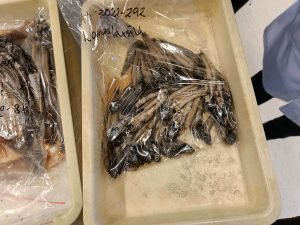
A bag of lanternfish (Myctophids) in the lab that can be analyzed for their gut contents, fatty acids, and stable isotopes.
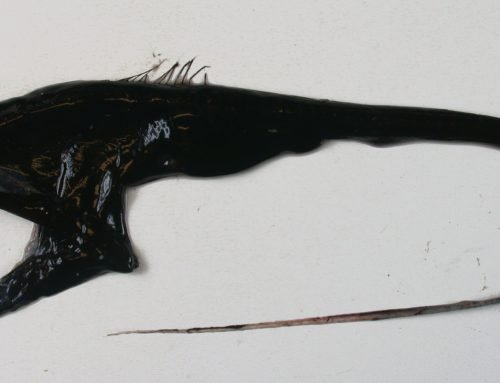
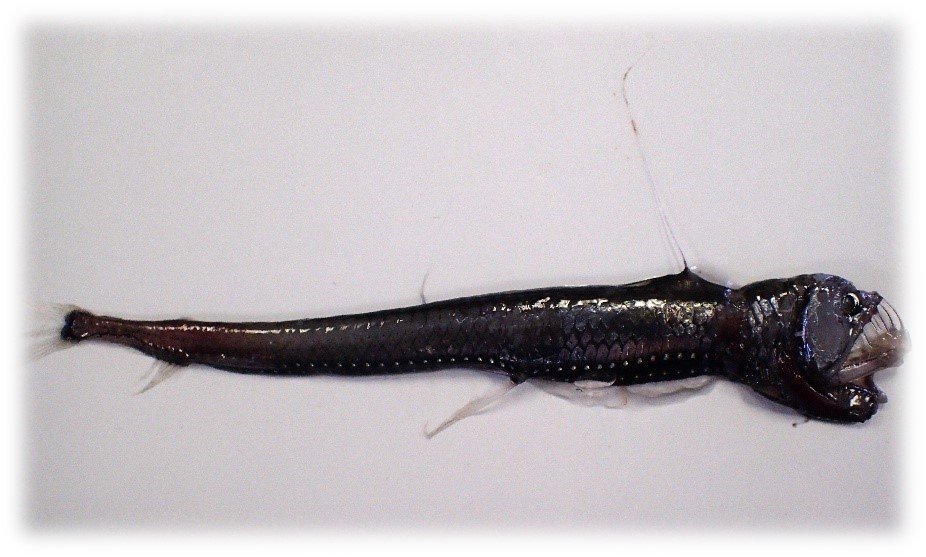
In this newly published paper, DTU scientists studied the diet of 23 different mesopelagic (200-1000m) and bathypelagic (1000-2000m) fish species, by analyzing published fatty acid and stable isotope data. This effort helps increase the knowledge of these globally important and understudied organisms. Check out the full paper below to see what they found out!
Access it as a PDF here. Access it online (open access) here: https://doi.org/10.1016/j.dsr.2023.104083




Leave A Comment
You must be logged in to post a comment.